Slander Door Slander Door

2026 Top How to Prevent Air Leaks Around Bi Fold Doors?

Time:2026-09-30 Author:Charlotte
0%

Air leaks around bi-fold doors often begin as tiny gaps, but they can make a room feel noticeably colder. Wind may whistle through the meeting stiles, while curtains move beside a closed door. These signs deserve attention, especially during windy weather or sudden temperature changes.

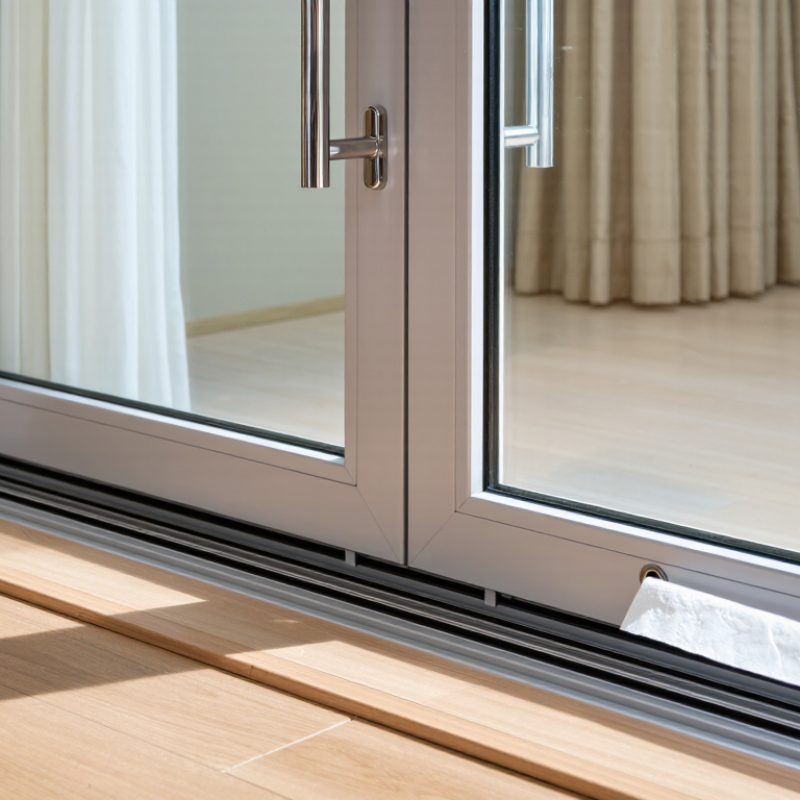
This guide explains How to prevent air leaks around a bi-fold door frame using practical inspection and repair methods. The process begins with checking the frame, seals, hinges, threshold, and locking points. A tissue strip or smoke pencil can help identify moving air around corners. Do not ignore the bottom edge. Drainage channels and threshold seals often collect dirt, suffer compression, or become misaligned.

Reliable repairs should follow the door manufacturer’s installation instructions. Professional installers commonly check frame plumb, level, and diagonal measurements before replacing seals. A slightly twisted frame can prevent weatherstripping from making even contact. Cleaning the contact surfaces matters, too. Dust can create a surprisingly small but persistent pathway for air.

Small gaps matter.

However, not every draft requires new seals. Adjusting rollers or tightening hardware may solve the problem, while excessive adjustment can damage the operating mechanism. I have seen doors that looked properly closed but still leaked near one upper corner. That mistake is easy to miss. Careful testing after each repair is essential. Close the panels, lock them fully, and inspect the same areas again. If condensation, movement, or repeated drafts remain, seek advice from a qualified door professional rather than forcing the panels.
2026 Top How to Prevent Air Leaks Around Bi Fold Doors?

Identify Common Air Leak Points Around Bi-Fold Doors

Air leaks around bi-fold doors usually appear at movement points, not in the glass. During site inspections, I check the meeting stiles, corner joints, and the full perimeter seal. The central meeting stiles often develop narrow gaps when panels sag slightly. Even a two-millimeter opening can create a noticeable cold draft. Look closely at the upper track area, where compressed weather seals may no longer touch evenly.

The bottom edge deserves careful attention. Debris, worn rollers, or an uneven sill can lift one panel and break the seal. Run your fingers along the threshold on a windy day. A smoke pencil can also reveal air movement around locked panels. Check the hinge side as well. Repeated folding can loosen seals or pull them away from the frame. Damaged gaskets may look acceptable from a distance.

Do not ignore the frame-to-wall connection. Small cracks in interior trim can indicate gaps behind the installation flange. Expanding materials, settlement, or poor drainage may contribute to this problem. I once blamed a draft on a damaged gasket, but the real gap was beneath the sill. That mistake was simple, yet costly in time. Avoid sealing over the visible gap before finding its source. A blocked drainage path can redirect water into the wall. Inspect the lock hardware too, because weak compression may leave the panels closed but not airtight.

Check Door Alignment, Seals, Tracks, and Frame Condition

How to Prevent Air Leaks Around Bi-Fold Doors in 2026

Air leaks often begin with poor door alignment. Close the bi-fold panels slowly and inspect the gaps along the meeting edges. The spacing should look even from top to bottom. If one corner touches first, the rollers, hinges, or adjustment screws may need attention. Do not force the panels. That can distort the frame and create a worse seal.

Inspect the weather seals for flattening, cracks, or loose sections. A seal should press gently against the frame without folding inward. Clean the tracks with a soft brush, then remove grit with a vacuum. Even small stones can change the door height. Check the frame corners for movement, failed sealant, or daylight. I have found that a tiny gap near the lower corner is easy to overlook. It may also explain a noticeable draft.

Tips: Test the door on a windy day. Hold a thin strip of tissue near each joint and watch for movement. Mark the leaking areas with removable tape. Adjust one point at a time, then retest the door. Avoid adding thick foam strips before correcting alignment. They can hide the problem and make closing difficult. If the frame shifts or the glass panels bind, get an experienced installer to assess it. DIY adjustments are useful, but not always enough.

2026 Top How to Prevent Air Leaks Around Bi-Fold Doors

Check door alignment, seals, tracks, and frame condition

This practical inspection score ranks the main areas that influence air leakage around bi-fold doors. Start by correcting alignment and damaged seals, then clean and level the tracks and inspect the frame for movement, gaps, or deterioration. Higher scores indicate areas that typically deserve earlier inspection.

Improve Weatherstripping and Seal Gaps Around the Frame

2026 Top How to Prevent Air Leaks Around Bi Fold Doors?

Bi fold doors often leak at the frame, not the glass. The U.S. Department of Energy reports that air leakage can represent 5% to 30% of a home’s heating and cooling energy use. Small gaps can therefore create noticeable drafts, especially beside the meeting panels. Run your hand around the closed door on a windy day. A thin tissue can reveal movement more clearly.

Inspect the weatherstripping for flattening, cracking, or loose corners. Replace damaged strips with a compression seal suited to the door’s operating pressure. Avoid overly thick material. It may stop the panels from closing evenly. Clean the frame first, then press the seal firmly into its channel. At the bottom edge, check whether the threshold sits level. A two-millimeter gap can feel surprisingly cold.

Seal fixed frame joints with a flexible, paintable sealant. Do not block drainage openings. They help remove rainwater from the sill. DOE Building America guidance emphasizes continuous air barriers, yet real installations are rarely perfect.

I have seen neat-looking frames with unsealed screw holes behind the trim. Remove a small section carefully and inspect the hidden perimeter. The National Fenestration Rating Council also identifies air leakage as a tested window and door performance factor. Test the door again after adjustment. It may need a second correction.

Adjust Panels, Hinges, Rollers, and Locking Mechanisms

How to Prevent Air Leaks Around Bi-Fold Doors

Air leaks often begin with small alignment errors, not damaged panels. Check the door from inside on a windy day. A moving curtain or cool strip near the frame can reveal the problem. The U.S. Department of Energy reports that air leakage may account for 5% to 30% of household heating and cooling energy use. That makes careful adjustment worthwhile.

Start by adjusting the panels so their edges meet evenly when closed. Uneven gaps usually point to hinge movement or incorrect panel height. Tighten hinge screws, then test the opening again. Do not force the panels. Excess pressure can distort the frame.

Rollers also need attention. Clean their tracks and adjust height until each panel moves smoothly without lifting or dragging. A small roller error can create a visible gap at the bottom.

The locking mechanism should pull the panels firmly against the seals, but it should not require excessive force. Adjust the strike position in small steps. Check every locking point. According to U.S. environmental energy guidance, sealing uncontrolled drafts can reduce annual household energy costs by up to 10%.

A simple smoke-pencil test can confirm improvement. My first adjustment was too tight and made the handle difficult to operate. That was a useful reminder: airtight is not the same as over-compressed. Recheck the door after temperature changes, because timber and composite materials can move slightly.

Test the Installation and Maintain Air Seals Seasonally

Air leaks around bi-fold doors often appear after installation, not during the first inspection. Test the closed doors on a windy day, when pressure differences make weak points easier to detect. Move a thin smoke pencil or tissue strip around the frame. Watch for movement near corners, hinges, and the meeting stile. Do not rely only on touch. Cold surfaces can mislead you.

Check the door alignment before replacing any seal. Uneven gaps may result from loose fasteners, frame movement, or incorrect adjustment. Measure the gaps with a simple ruler and record them. A small note helps reveal seasonal changes. Test the locking pressure, too. If the panels close unevenly, the seal may compress poorly and wear faster. Perfect alignment is not always realistic, but obvious rubbing needs attention.

Tips: Clean seals with mild soap and water each season. Remove grit from the bottom track. Inspect rubber for cracks, flattening, or stiffness. Apply only a seal-compatible conditioner if the manufacturer permits it. Never block drainage paths with caulk. After heavy rain, check the interior sill for damp marks. In winter, inspect again after several freeze-thaw cycles. Small defects are easy to miss. A yearly inspection is useful, but homes exposed to strong wind may need checks every few months.

FAQS

Where do air leaks usually occur around bi-fold doors?

Check the meeting stiles, corner joints, hinges, threshold, and frame perimeter. A two-millimeter gap can create a cold draft. Look closely.

How can I find a small air leak?

Test the door on a windy day. Hold tissue near each joint and watch for movement. A smoke pencil can show airflow around locked panels. Mark suspected areas with removable tape.

Why does the bottom edge leak?

Dirt, worn rollers, or an uneven sill can lift one panel. This breaks contact with the bottom seal. Run your fingers along the threshold. Remove grit carefully.

What should I inspect on the weather seals?

Look for flattened, cracked, folded, or loose sections. The seal should touch the frame gently. Damaged gaskets may appear acceptable from a distance. That can mislead you.

How does poor alignment cause drafts?

Close the panels slowly and compare the gaps from top to bottom. Uneven spacing may indicate hinge movement or incorrect panel height. Do not force the panels.

Can I adjust the rollers and hinges myself?

Clean the tracks with a soft brush and vacuum. Adjust one point at a time, then retest the door. Small corrections help. However, excessive adjustment can distort the frame.

How should the locking mechanism work?

It should pull the panels firmly against the seals without excessive force. Adjust the strike position in small steps. Check every locking point. A difficult handle may indicate over-compression.

Could the leak come from the frame or wall?

Yes. Cracks in interior trim may indicate a gap behind the installation flange. Settlement, expansion, or poor drainage can contribute. Do not seal the visible crack immediately. Find the source first.

Should I add thicker foam strips to stop drafts?

Not before correcting alignment. Thick strips can hide the leak and make closing difficult. I once blamed a gasket, but the real gap was beneath the sill. That mistake wasted time.

When should I contact an experienced installer?

Seek help if the frame shifts, glass panels bind, or adjustments do not improve the seal. Timber and composite materials may move after temperature changes. Retest later. That part is easy to forget.

Conclusion

Preventing drafts around bi-fold doors starts with identifying the most common air leak points, including panel joints, corners, hinges, rollers, tracks, seals, and the surrounding frame. Inspect whether the panels meet evenly and check the frame for movement, cracks, or gaps. Worn, compressed, or missing weatherstripping should be replaced, while small openings around the frame can be sealed with suitable caulk or foam. These steps are essential when learning How to prevent air leaks around a bi-fold door frame.

Proper adjustment also improves airtightness. Align the panels, tighten loose hinges, set the rollers correctly, and ensure the locking mechanism pulls the doors firmly against the seals without excessive force. After installation or repairs, test for drafts by feeling around the edges on a windy day or using a safe smoke test. Seasonal inspections and routine cleaning of tracks and seals help maintain reliable air protection throughout the year.

Charlotte

Charlotte

Charlotte is a seasoned marketing professional with a deep understanding of the company's portfolio and a passion for elevating its presence in the market. With a keen eye for detail and a commitment to excellence, she ensures that our professional blog is regularly updated with insightful articles......